


Blog
Calcium for Plants: Benefits, Sources & Fertilizer Guide
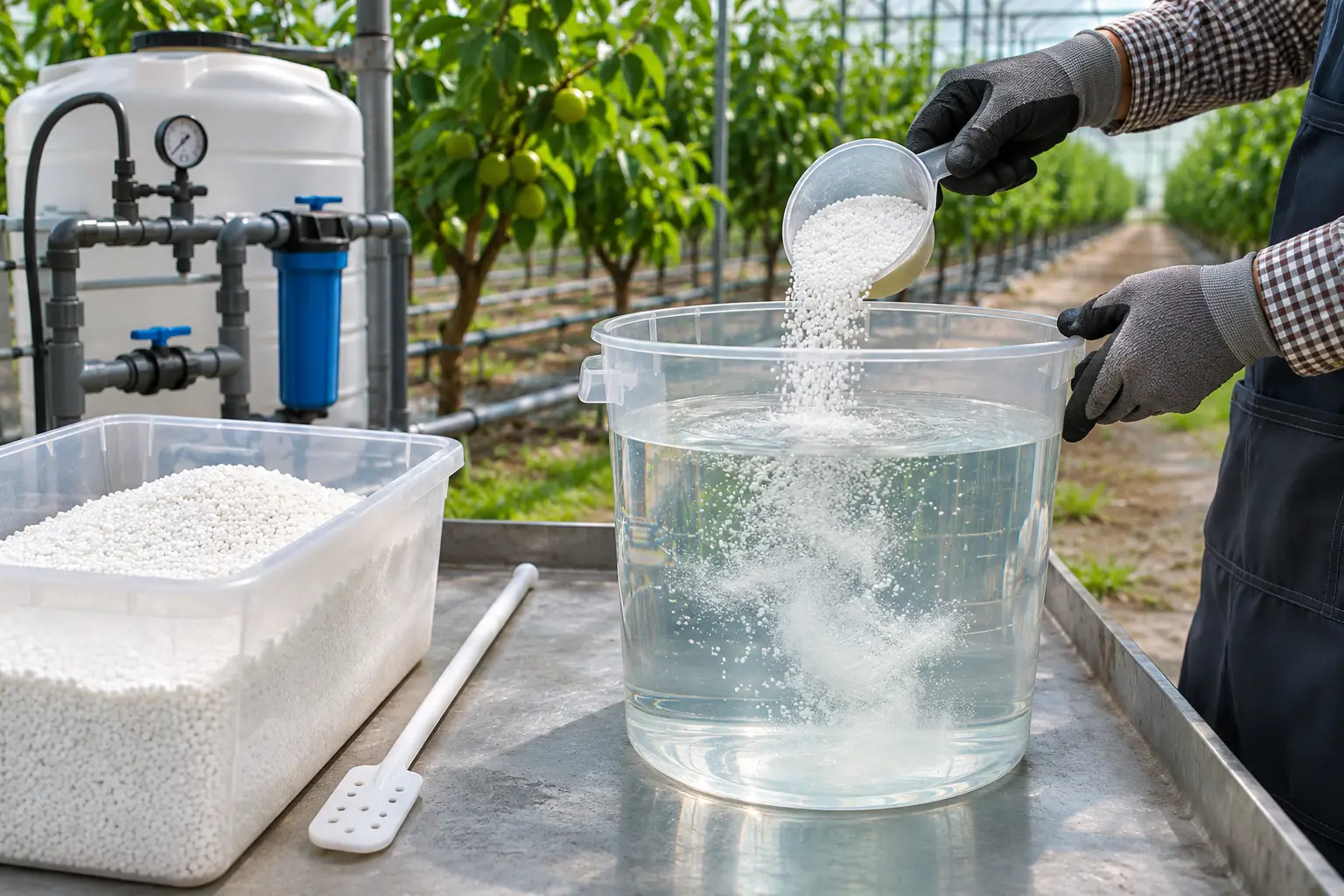
Calcium: Its Importance in Plant Nutrition and How to Choose the Best Fertilizer Source
Calcium (Ca) is one of the essential macronutrients required by plants. Contrary to common belief, its role is not limited to simply supplying a nutritional element. Calcium plays several important roles simultaneously, including maintaining the structure of cell walls and cell membranes, supporting the growth of young tissues, promoting root development, regulating various physiological processes, and transmitting cellular signals.
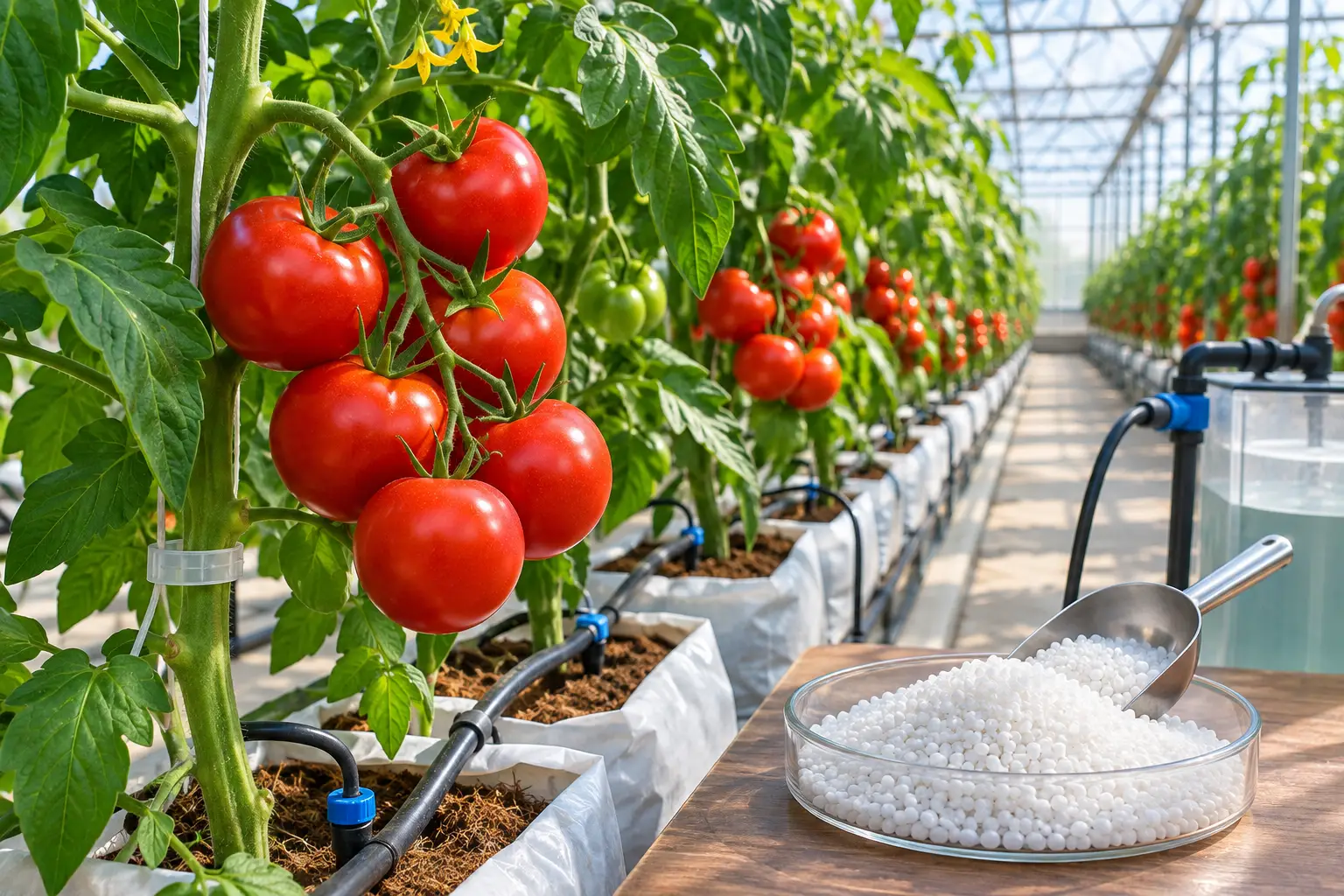
Recent research has also emphasized the role of calcium as a cellular messenger involved in plant responses to environmental stresses and disease-causing organisms. For this reason, maintaining adequate calcium levels in plants can enhance their resistance to various biotic and abiotic stresses.
On the other hand, not all calcium fertilizers perform in the same way. Several factors must be considered when selecting a calcium source, including its dissolution rate, chemical form, accompanying nutrients, suitability for irrigation and foliar application, effect on soil pH, and compatibility with other fertilizers.
The Importance of Calcium for Plants
Calcium is an essential macronutrient that plants require in relatively large amounts. In addition to its nutritional role, it contributes to cellular structure and the regulation of cellular activities.
Strengthening Cell Walls: One of the best-known functions of calcium is its involvement in cell wall structure. Calcium interacts with pectic compounds in the cell wall, helping strengthen and stabilize its structure.

As a result, calcium deficiency can weaken developing tissues and reduce their structural strength. This is particularly important in plant organs that undergo rapid growth.
Maintaining Cell Membrane Integrity and Stability: Calcium is also essential for maintaining the integrity and stability of cell membranes. Adequate levels of calcium ions (Ca²⁺) help regulate membrane properties and maintain normal cellular function.
Therefore, the effects of calcium deficiency are not limited to visible changes in leaves; they can also affect the functions of cells and tissues.
Role in the Growth of Young Tissues: Calcium has relatively limited mobility within the phloem of plants. Consequently, its redistribution from older tissues to younger tissues is restricted.
The transport of calcium to many developing plant organs depends heavily on water movement through the xylem and the transpiration process.
This is one reason why young plant organs or developing fruits may experience localized calcium deficiency under certain conditions, even when the soil contains adequate amounts of calcium.
For example, several well-known physiological disorders, including blossom-end rot in tomatoes, tipburn in lettuce, bitter pit in apples, and pistachio shell staining, are associated with inadequate calcium supply to developing tissues.
However, these disorders do not necessarily indicate an overall calcium deficiency in the soil. Water availability, transpiration, rapid growth, and calcium transport also play important roles.
The Role of Calcium in Cellular Signaling: One of the most important modern aspects of calcium nutrition is the role of calcium ions (Ca²⁺) as secondary messengers within plant cells.
In response to various stimuli, such as drought stress, salinity, pathogens, and environmental changes, plant cells can produce highly controlled changes in the concentration of calcium ions within the cytoplasm.
These changes are detected by calcium-sensing proteins and subsequently converted into physiological responses.
More recent research has introduced the concept of "calcium codes" to explain how information is transmitted through temporal and spatial changes in calcium ion concentrations within cells.
Therefore, calcium should be regarded as both a structural element and a regulatory element involved in cellular communication within plants.
Types of Calcium Fertilizers
Various calcium sources are available for agricultural use. Selecting the most appropriate source should be based on soil conditions, plant requirements, application methods, and fertilization objectives.
The calcium content of several fertilizer sources has been reported in academic and research publications. For example, agricultural gypsum contains approximately 23% calcium, while calcium nitrate contains approximately 19% calcium.
However, calcium percentage alone is not a sufficient criterion for fertilizer selection.
A fertilizer may contain a high percentage of calcium but still provide an unsuitable nutrient release rate or limited availability under specific soil conditions or application methods.
The following table presents the main calcium sources used in the nutrition of field crops, fruit trees, and greenhouse-grown plants.
| Calcium Source | Properties and Applications | Formula or Composition |
|---|---|---|
| Calcium nitrate | Water-soluble, fast-acting, and supplies calcium and nitrogen simultaneously | Ca(NO₃)₂ |
| Agricultural gypsum | A source of calcium and sulfur, suitable for improving certain soil conditions | CaSO₄·2H₂O |
| Calcium chloride | Water-soluble and fast-acting, but also contains chlorine | CaCl₂ |
| Single superphosphate | Supplies phosphorus, calcium, and sulfur simultaneously | Contains calcium and sulfur |
| Calcium ammonium nitrate | A source of nitrogen and calcium | A compound containing calcium and nitrogen |
| Calcium chelates and organic calcium compounds | Used mainly for foliar applications | Various formulations |
Unlike agricultural lime, gypsum is not generally applied to substantially increase soil pH.
This characteristic makes gypsum useful in certain soil improvement programs, particularly when the objective is to supply calcium and address specific problems associated with excessive sodium levels in the soil.
However, it is important to remember that calcium chloride also introduces chlorine into the agricultural system along with calcium.
Therefore, its use requires careful consideration in crops or conditions where salinity and chlorine levels are important factors.
Consequently, they can contribute to meeting part of a plant's calcium and phosphorus requirements simultaneously.
Nevertheless, these fertilizers are generally selected when the primary objective of the fertilization program is to supply phosphorus.
Among the various calcium sources available, calcium nitrate is one of the most widely used and practical options in modern agriculture, particularly for greenhouse cultivation, vegetable production, orchards, and fertigation systems.
In addition to calcium, calcium nitrate also supplies nitrogen to plants.
A commonly used fertilizer formulation contains approximately 15.5% nitrogen and 19% calcium.
Why Is Calcium Nitrate So Important?
High Solubility: Calcium nitrate is a water-soluble fertilizer, making it highly suitable for irrigation and fertigation systems.
Academic sources identify calcium nitrate as one of the fertilizers commonly used in fertigation programs.
Simultaneous Supply of Calcium and Nitrogen: Applying calcium nitrate provides two important nutrients at the same time:
Calcium and nitrogen.
Therefore, calcium nitrate can be a highly suitable option in nutritional programs where plants require both elements.
Nitrogen Predominantly in Nitrate Form: One of the important characteristics of calcium nitrate is that most of its nitrogen is present in nitrate form.
Under certain conditions, this characteristic can be particularly valuable in crop nutrition programs.
Academic sources have also identified this property as one of the major advantages of calcium nitrate.
Suitable for Fertigation and Foliar Application: The high solubility and ionic forms of the nutrients in calcium nitrate have contributed to its widespread use in fertigation systems and foliar applications.
Some academic references report a solubility of approximately 1,198 grams per liter for pure, high-quality calcium nitrate.
Rapidly Available Calcium: The calcium contained in calcium nitrate enters the soil solution in dissolved ionic form and, under suitable conditions, becomes available for uptake by plant roots.
This creates an important distinction between soluble calcium sources, such as calcium nitrate, and less soluble sources, such as certain liming materials.
However, it should not be assumed that every calcium-related problem can necessarily be corrected by increasing calcium nitrate application rates.
Calcium uptake and transport depend on several factors, including soil moisture, water movement, transpiration, root health, salinity, ionic competition, plant growth rate, and the status of other nutrients in both the soil and the plant.
For example, many calcium-related disorders in fruits may not result from an overall shortage of calcium in the soil. Instead, the problem may arise from the plant's inability to deliver sufficient calcium to actively developing tissues.
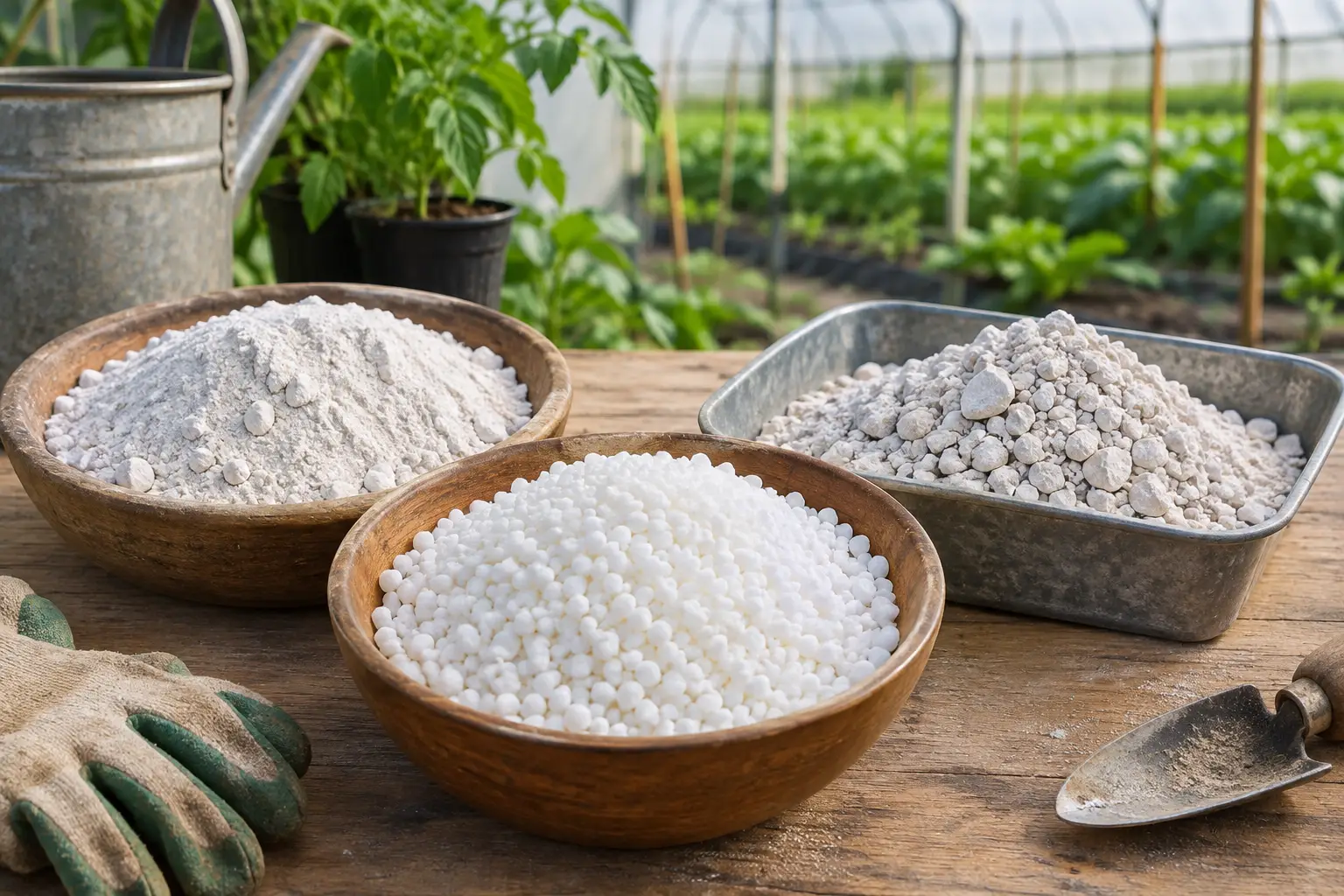
What Are the Characteristics of High-Quality Calcium Nitrate?
Selecting high-quality calcium nitrate is particularly important in professional agriculture and fertigation systems.
A suitable calcium nitrate fertilizer should have at least the following essential characteristics:
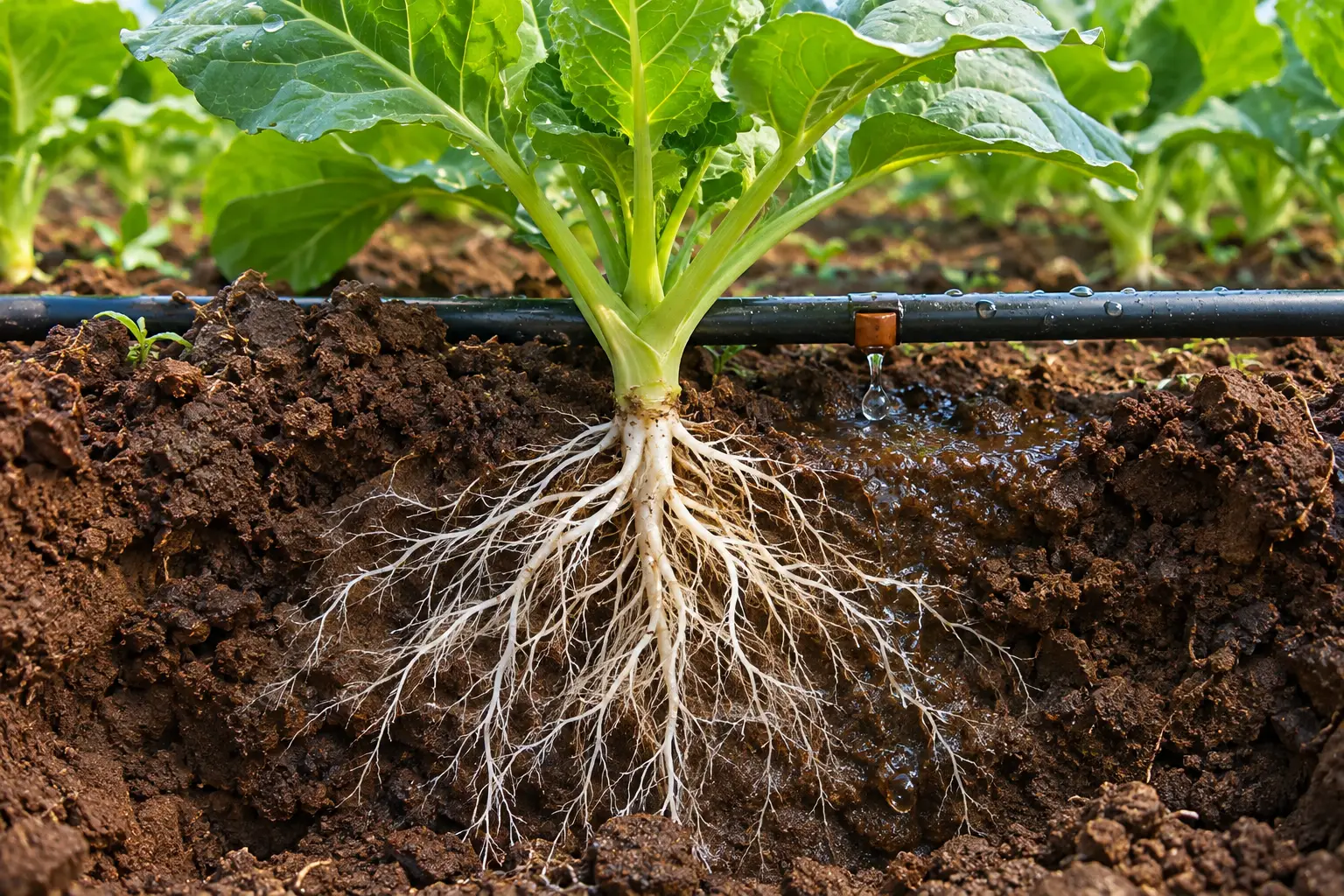
One commonly available fertilizer grade contains approximately 15.5% nitrogen and 19% calcium.
High-quality calcium nitrate should dissolve quickly in water, produce minimal precipitation, contain low levels of insoluble impurities, and avoid causing problems in fertilizer tanks and irrigation lines.
The high solubility of calcium nitrate is one of the main reasons for its widespread application in fertigation and foliar feeding systems.
Undesirable impurities may increase the risk of precipitation, cause filters and drip emitters to become clogged, reduce the quality of nutrient solutions, and, under certain conditions, introduce unwanted ions into the soil.
Therefore, obtaining a physical and chemical analysis of the product is important when purchasing calcium nitrate for professional agricultural applications.
A fertilizer with uniform particle sizes is easier to weigh, dissolves more consistently in the mixing tank, generates less dust, and performs better during distribution and transportation.
Therefore, appropriate packaging, storage in a dry warehouse, and protection from moisture exposure are essential.
This information is particularly important for products intended for use in fertigation systems.
In summary, calcium should not be regarded merely as a nutrient that promotes plant growth.
It is one of the essential components of cell walls and cell membranes, while also playing important roles in cellular signaling, the development of young tissues, and plant responses to environmental stresses.
Various sources can be used to supply calcium to plants, including agricultural lime, gypsum, calcium chloride, superphosphate fertilizers, and calcium nitrate.
These sources differ in their calcium content, solubility, nutrient release rate, effects on soil pH, accompanying nutrients, and suitability for different fertilization methods.
Among these options, calcium nitrate is one of the most important soluble and rapidly available calcium sources for professional agriculture. In addition to supplying calcium, it provides nitrogen predominantly in nitrate form and is well suited for fertigation systems.
Nevertheless, the actual quality of calcium nitrate cannot be determined simply by a label stating "19% calcium."
Solubility, purity, impurity levels, particle size distribution, moisture content, product uniformity, and guaranteed analytical specifications must all be taken into consideration.
Ultimately, the best calcium fertilizer is not necessarily the one with the highest calcium percentage. Rather, it is the fertilizer whose chemical form, nutrient availability, solubility, purity, and compatibility are appropriately matched to the requirements of the plant, soil conditions, irrigation water, and fertilization system.
References
- White, P. J., & Broadley, M. R. (2003). Calcium in plants. Annals of Botany, 92, 487–511.
- Thor, K. (2019). Calcium—Nutrient and Messenger. Frontiers in Plant Science, 10, 440.
- Wdowiak, A., et al. (2024). Calcium in plants: An important element of cell physiology and structure, signaling, and stress responses. Acta Physiologiae Plantarum, 46, 108.