


Blog
Scientific and Practical Principles of Winter Nutrition in Pistachio Orchards
Scientific and Practical Principles of Winter Nutrition in Pistachio Orchards
(From Soil Testing and Deficiency Diagnosis to Fertilization Program Design)
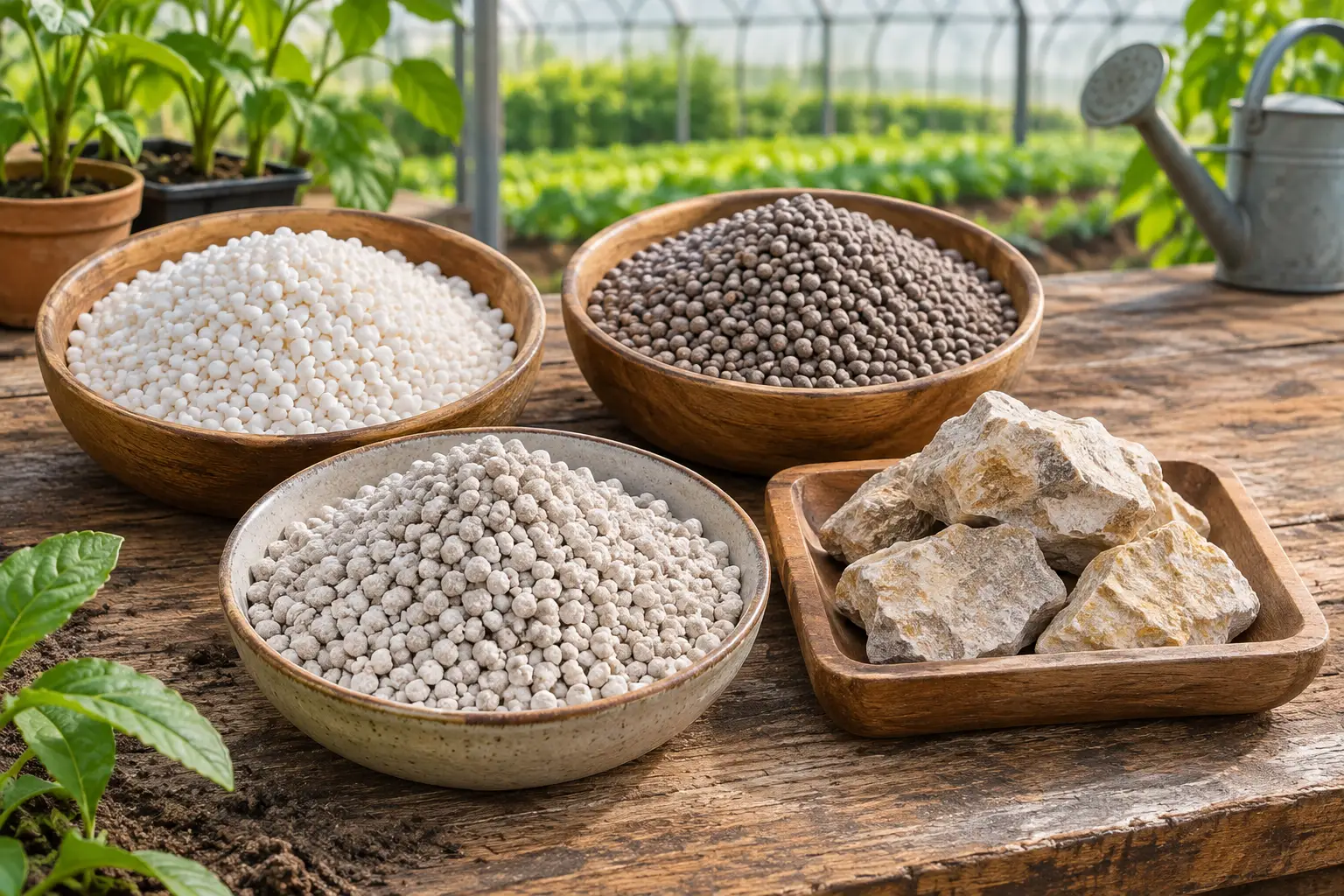
Winter nutrition in pistachio orchards is an important aspect of orchard management. However, developing an appropriate nutritional program requires recognizing a fundamental distinction: the timing of fertilizer application does not necessarily coincide with the period when nutrients are effectively absorbed by the trees.
Pistachio trees do not undergo vegetative growth during winter dormancy. Nevertheless, their buds, soil, roots, and nutrient reserves remain part of the orchard's living system. Therefore, winter can provide a suitable opportunity to address certain soil limitations, supply the required organic amendments, prepare the fertilization program for the upcoming growing season, and correct problems identified during the previous growing season.
However, it is not appropriate to recommend that all pistachio orchards receive fixed amounts of phosphorus, potassium, sulfur, micronutrients, or animal manure during winter.
The nutritional requirements of pistachio trees depend on several factors, including tree age, cultivar, rootstock, yield, the intensity of fruit production during the previous year, vegetative growth conditions, soil characteristics, irrigation water quality, and the effectiveness of orchard management.
This issue is particularly important in Iranian pistachio orchards, where calcareous soils, low organic matter content, salinity, poor irrigation water quality, and interactions among nutrients may occur simultaneously.
Therefore, increasing fertilizer application rates without identifying the primary limiting factor does not always result in improved nutrient uptake or higher yields.
A winter nutrition program should have four main objectives:
First Principle: Evaluate Orchard Nutrition Based on Yield and Management History
Information from the previous growing season is highly important when developing a fertilization program.
A tree that has produced a high yield may have removed greater amounts of nutrients from the orchard. However, this alone does not necessarily mean that the application rates of all fertilizers should be increased.
Conversely, low yields in an orchard may not primarily result from nutrient deficiencies. Instead, factors such as salinity, water stress, poor root development, inadequate pollination, frost damage, or other limitations may be responsible for reduced productivity.
Therefore, before making decisions, collect the following information:
- Yield of each orchard block, expressed in kilograms of dried pistachios per hectare.
- Percentage of blank nuts, shell splitting, and kernel quality.
- Growth intensity of one-year-old shoots and the condition of the tree canopy.
- History of mineral fertilizer, organic fertilizer, and foliar fertilizer applications.
- Quantity and quality of irrigation water.
- Results of previous soil and leaf analyses.
- History of salinity, leaf yellowing, poor growth, and root diseases.
Whenever possible, records from at least three consecutive years should be examined.
In orchards exhibiting alternate bearing, comparing the yield of one year with another without accounting for this phenomenon can lead to inaccurate estimates of fertilizer requirements.
2. Soil and Leaf Testing: Two Complementary Tools, Not Substitutes for Each Other
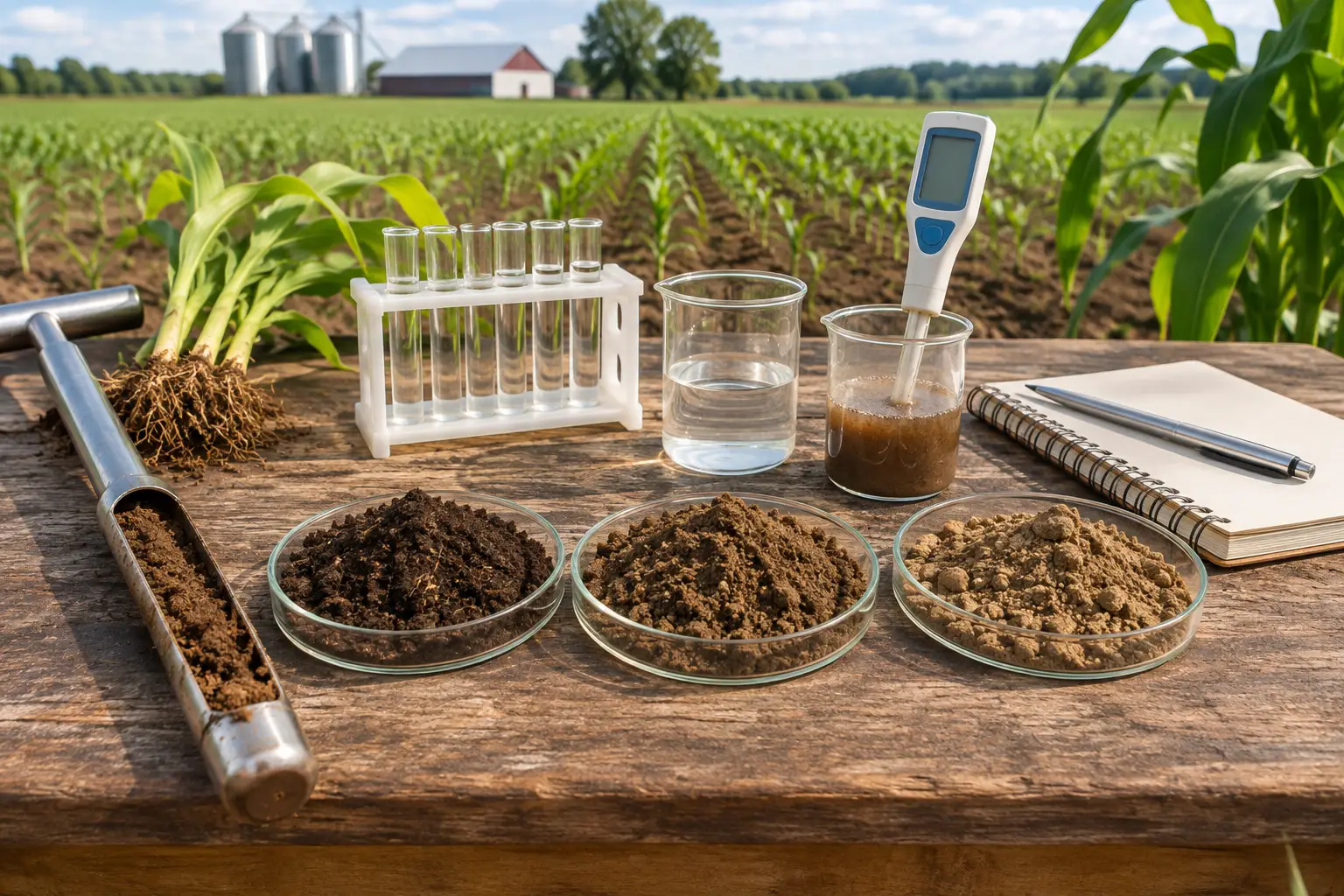
Soil testing is used to evaluate the characteristics of the root environment and the relative availability of nutrients.
Important indicators include:
- Soil texture and physical properties.
- Soil pH and electrical conductivity of the saturated paste extract (ECe).
- Organic matter percentage or organic carbon indicators.
- Total calcium carbonate and, when necessary, active lime content.
- Available phosphorus and exchangeable potassium.
- Magnesium, calcium, and sodium status when required.
- Micronutrient levels according to the analytical method and specific orchard problems.
Results must be interpreted according to the laboratory method used.
For example, a phosphorus concentration determined using one laboratory extraction method should not be directly compared with a threshold established for a different extraction method.
Similarly, the total concentration of a nutrient is not necessarily equal to the amount available for plant uptake.
This distinction is particularly important for phosphorus and micronutrients in calcareous soils.
Leaf analysis indicates the concentration of nutrients present in the sampled plant tissue at the time of sampling.
This information complements soil testing because the presence of a nutrient in the soil does not necessarily mean that the plant is absorbing sufficient amounts of it.
In a study conducted on 200 pistachio orchards in the Qazvin Plain between 2017 and 2019, researchers assessed nutrient status using two multi-nutrient diagnostic methods.
The study identified manganese, magnesium, and phosphorus deficiencies among the frequently observed nutritional limitations.
The researchers considered factors such as calcareous soil conditions, high potassium levels, and low organic matter content important in interpreting these findings.
These results demonstrate the importance of regional assessments. However, they should not be generalized to all pistachio orchards in Iran without appropriate testing.
Both soil and leaf sampling must follow standardized procedures.
For soil sampling:
- Divide the orchard into relatively uniform management blocks.
- Collect several subsamples from representative locations within each block.
- Combine subsamples collected from the same block and soil depth according to laboratory instructions.
- Do not include unusual locations, such as fertilizer accumulation areas, water leakage points, or extremely saline patches, in the general composite sample. Examine these areas separately when necessary.
- Select the sampling depth according to the purpose of the analysis.
When evaluating soil salinity, sampling at several depths is important because salts may be distributed differently throughout the soil profile.
A surface soil sample alone is not sufficient to characterize conditions throughout the entire root zone.
Leaf sampling must also follow standardized procedures regarding sampling time, leaf position, shoot type, and analytical method.
Trees with different conditions should not be combined in the same sample without a valid reason.
If the results are to be compared with reference ranges, the timing and sampling method must be consistent with those used to establish the reference values.
Nutrient concentrations in leaves depend on the sampling date. Therefore, when comparing leaf analysis results with reference ranges, the sampling period recommended for the region must be followed.
In Iran, the most suitable period for leaf sampling is generally from late Khordad to late Tir in the Iranian calendar.
3. Nitrogen Management: Consider Application Rate, Timing, and Method Separately
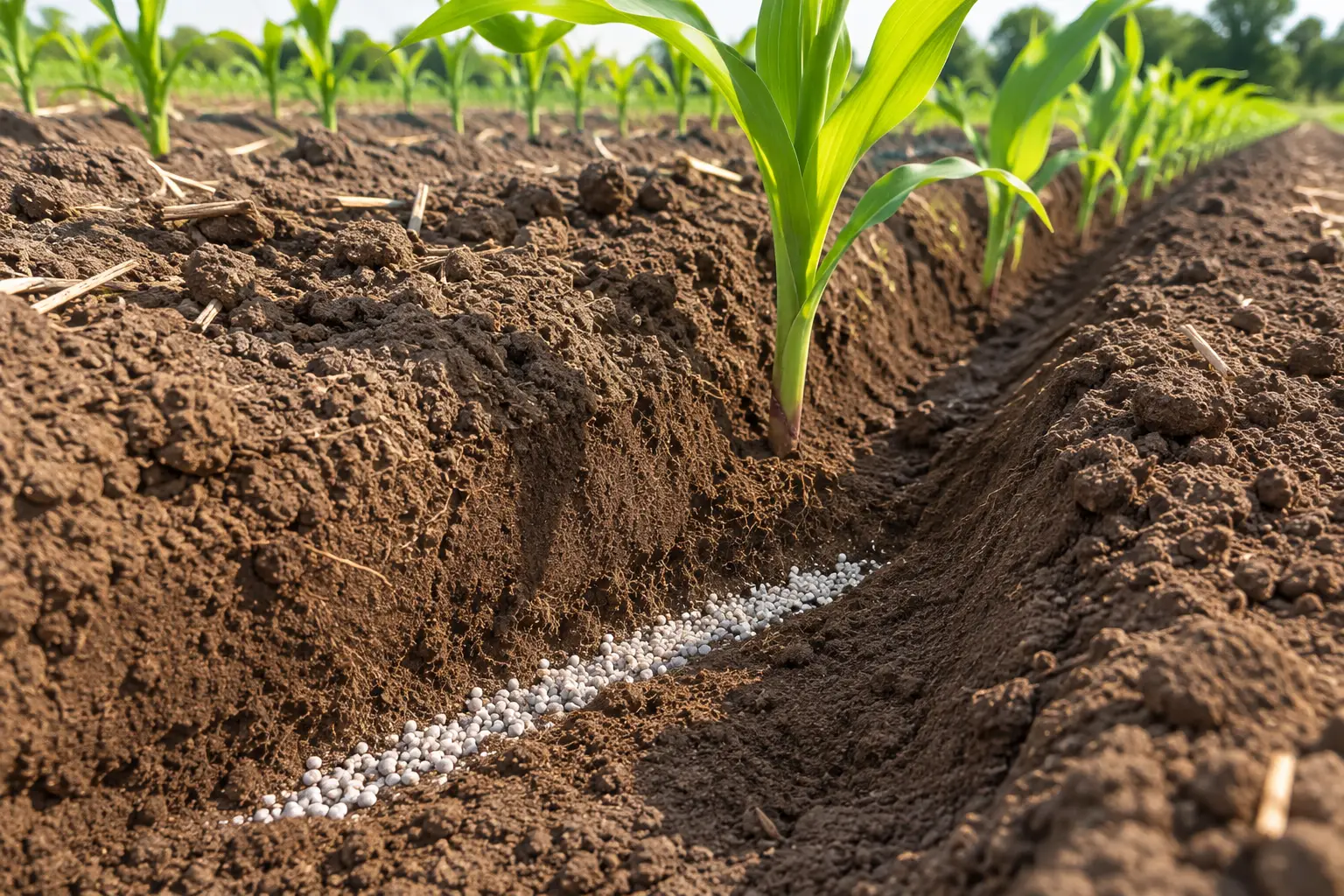
Nitrogen plays a role in the formation of proteins, chlorophyll, and enzymes and is essential for shoot growth and leaf area development.
However, excessive nitrogen application can cause unbalanced vegetative growth and reduce fertilizer-use efficiency.
During dormancy, nitrogen uptake is generally more limited than during the active growing season.
For this reason, applying a large amount of nitrogen fertilizer early and in a single application is not justified in every orchard.
The following factors influence the amount of nitrogen required:
- Yield during the previous year and the quantity of harvested produce.
- Shoot growth intensity and canopy condition.
- Leaf nitrogen concentration at the standard sampling time.
- The amount of nitrogen potentially supplied by animal manure and compost.
- The possible contribution of nitrogen from irrigation water.
- Soil texture, rainfall, and the risk of nutrient leaching.
- Irrigation method and the possibility of dividing fertilizer applications into several stages.
In light-textured soils and regions receiving winter rainfall, early application of soluble fertilizers can increase the risk of nitrogen movement and loss.
Conversely, under certain conditions, supplying part of the nitrogen requirement through organic sources or planning applications before the beginning of active growth may be appropriate.
The selected method should be based on the orchard's actual conditions.
Mineral nitrogen is generally not included in winter nutrition programs.
For example, consider two orchard blocks, each covering 10 hectares and containing trees of similar age.
The first block has shown satisfactory vegetative growth and high productivity, while the second has experienced poor growth and greater salinity.
Recommending identical nitrogen application rates for both blocks would not be an appropriate decision.
In the second block, it is first necessary to determine whether poor growth results from nitrogen deficiency or from salinity and restricted nutrient uptake.
If the roots are exposed to saline or oxygen-deficient conditions, increasing fertilizer applications may produce only a limited response.
Therefore, nitrogen application rates should be determined according to estimated requirements and available nitrogen sources, rather than solely on tree age or orchard area.
Phosphorus: Why Does Increasing Application Not Always Increase Uptake?
Phosphorus plays an important role in energy transfer, root growth, and metabolic processes.
In calcareous soils, reactions between phosphorus and calcium compounds can limit phosphorus availability.
However, the presence of calcium carbonate alone does not necessarily mean that phosphorus fertilizer is required.
Available phosphorus levels, laboratory extraction methods, root characteristics, fertilizer application history, and leaf nutrient status should all be evaluated together.
If the need for phosphorus is confirmed:
- Select a phosphorus source appropriate for the soil and irrigation system.
- Determine fertilizer placement while considering the limited mobility of phosphorus in soil.
- Avoid applying large amounts without evaluating the plant's response.
- In fertigation systems, assess the compatibility of the phosphorus source with irrigation water and the risk of precipitation.
For example, if soil phosphorus levels are low but roots have been damaged by salinity or waterlogging, improving root-zone conditions is also part of the solution.
Fertilization alone does not necessarily resolve the problem.
Potassium: Its Relationship with Fruit Production, Ionic Balance, and Soil Quality
Potassium plays a role in regulating plant water relations, enzyme activity, and the transport of photosynthetic products.
The requirement for this nutrient should be assessed according to soil conditions, leaf analysis results, yield, and the balance of other cations.
In soils with high potassium levels, excessive potassium fertilizer application can create unnecessary costs and, under certain conditions, disrupt the balance of magnesium uptake.
On the other hand, low levels of available potassium in the soil or unsuitable potassium concentrations in leaves may indicate the need to modify the fertilization program.
To determine the appropriate application rate, the type of fertilizer, nutrient concentration, available soil nutrient content, fertilizer-use efficiency, and application timing must be established.
Potassium fertilizer rates should not be determined solely on the basis of crop removal or a general recommendation.
Micronutrient Management: From Zinc and Iron to Manganese and Boron
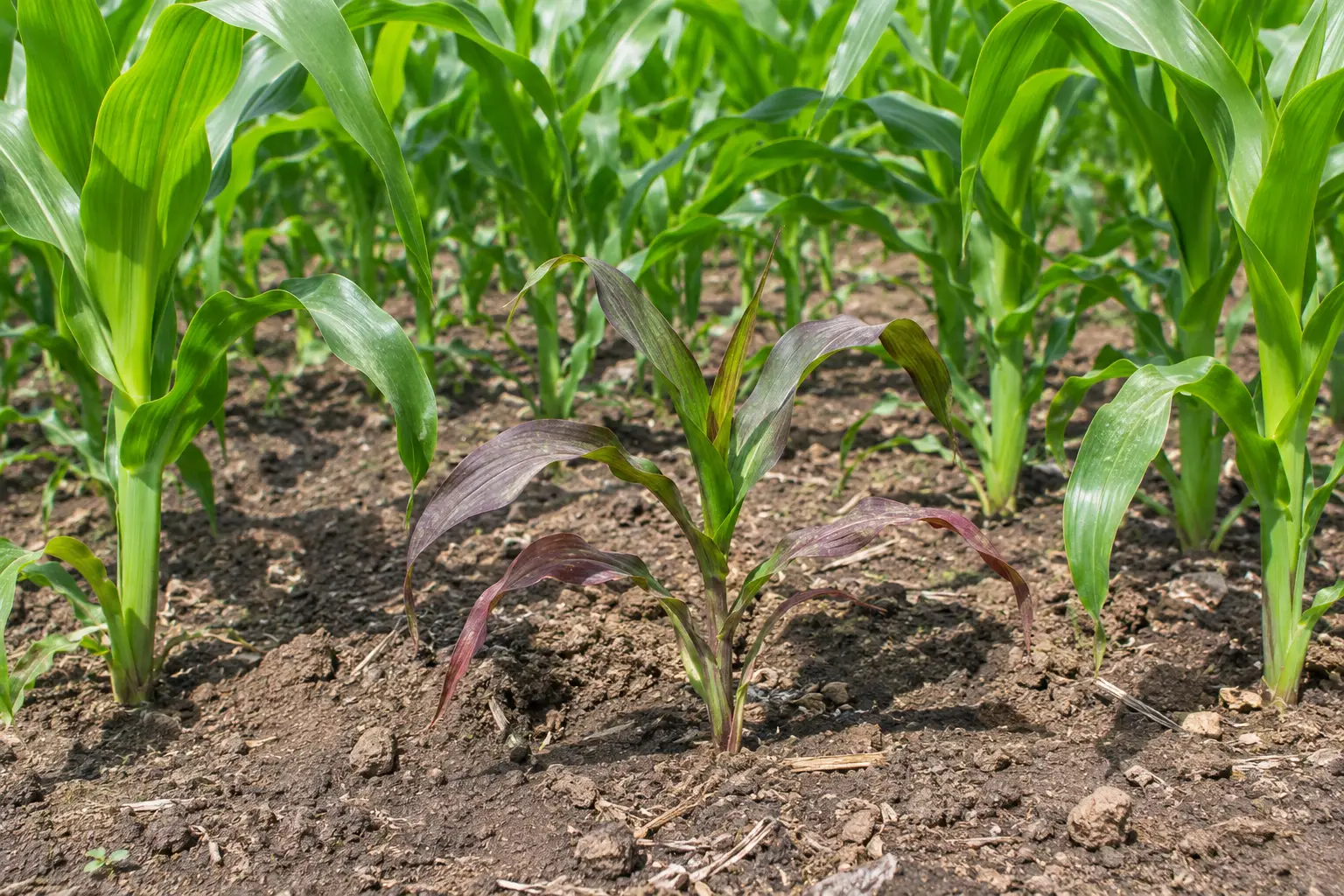
Zinc: Zinc plays an important role in enzyme activity and the normal growth of buds and newly developing tissues.
Zinc deficiency may occur in calcareous soils. However, diagnosis should consider analytical results, visible symptoms, shoot growth, and root-zone conditions.
Soil application and foliar application of zinc differ in terms of nutrient uptake, response speed, and practical limitations.
The application method should be selected according to deficiency severity, growth stage, fertilizer source, and reliable regional recommendations.
Improper foliar application or excessively high concentrations can cause leaf damage.
Iron: Interveinal yellowing of young leaves may indicate iron deficiency, but differential diagnosis is essential.
High bicarbonate concentrations in irrigation water, active lime, poor soil aeration, and impaired root function can contribute to iron chlorosis.
In calcareous soils, iron formulations should be selected according to their chemical stability at the prevailing soil pH.
Not all iron sources perform equally, and soil application of an unsuitable iron source may fail to produce the desired response.
Manganese: Manganese is involved in photosynthetic processes and enzyme activity.
The results of the study conducted in pistachio orchards in Qazvin demonstrate the importance of evaluating manganese status in certain regions.
However, manganese application should be based on analytical results and the orchard's specific conditions.
Boron: Boron plays an important role in the growth of meristematic tissues and reproductive processes.
However, the range between boron deficiency and toxicity is relatively narrow.
In regions where irrigation water contains boron, additional applications may be hazardous.
Before applying boron, soil and water analysis results, application history, and tree condition should be evaluated.
Boron application should not be recommended as a routine winter practice for all pistachio orchards.
Animal Manure and Compost: When Do They Truly Improve Soil Conditions?
Quality-controlled organic materials can help improve soil structure, increase water-holding capacity, and strengthen nutrient cycling.
However, the quality of animal manure and compost depends on their source, production process, degree of maturity, and chemical composition.
Before widespread application, the following characteristics should preferably be evaluated:
- Dry matter and organic matter content.
- Nitrogen, phosphorus, and potassium content.
- Carbon-to-nitrogen ratio.
- Electrical conductivity and the potential introduction of salts.
- Compost maturity and stability.
- The possible presence of weed seeds, pathogens, or contaminants, depending on the material's origin.
Suppose 10 tons of compost are applied per hectare, and laboratory analysis indicates that the compost contains 60% dry matter and 2% total nitrogen on a dry matter basis.
The amount of dry matter applied is:
10,000 × 0.6 = 6,000 kilograms per hectare
The total nitrogen input is:
6,000 × 0.02 = 120 kilograms of nitrogen per hectare
This value represents the total nitrogen introduced into the soil, not the amount of nitrogen available for plant uptake during the same growing season.
Some of this nitrogen may gradually undergo mineralization, while another portion may remain in organic forms.
Therefore, when calculating the contribution of organic fertilizers to the nitrogen management program, the mineralization rate, compost quality, and soil conditions must be considered.
This example demonstrates why nutrient management programs should be developed based on the actual analysis of agricultural inputs, rather than merely their names or application volumes.
Soil Amendment in Winter Nutrition Programs
Soil amendment differs from conventional fertilization.
The purpose of a soil amendment is to modify a specific soil limitation, whereas fertilizers are primarily used to supply nutrients required by plants.
The following materials and practices are used for soil improvement:
- Agricultural Gypsum: May be suitable for reclaiming sodic soils. Application rates should be determined according to soil amendment requirements and soil characteristics.
- Organic Materials: Used to gradually improve the physical and biological properties of soil, provided that the materials are of suitable quality.
- Sulfur and Acidifying Compounds: Used when technically justified, considering calcium carbonate content, soil pH, buffering capacity, and water quality.
- Leaching: Used to reduce soluble salts, provided that suitable water and adequate drainage are available.
In calcareous soils, applying elemental sulfur without evaluating its oxidation rate, temperature, moisture, and the soil's neutralizing capacity may not produce immediate results.
Similarly, adding acid to an irrigation system without evaluating water quality and designing a safe injection process is not an appropriate practice.
How Can a Winter Nutrition Program Be Developed into an Annual Program?
For professionally managed orchards, it is preferable to prepare a nutrition program in the form of an annual table.
Each entry should include the nutrient, target application amount, source, timing, application method, basis for the recommendation, and evaluation indicator.
| Subject | Required Decision | Evaluation Indicator |
|---|---|---|
| Nitrogen | Estimate requirements based on yield and tree condition | Shoot growth, leaf analysis, and yield |
| Phosphorus | Assess deficiency and select an appropriate source | Soil and leaf testing and plant response |
| Potassium | Evaluate soil, leaves, and cation balance | Test results and product quality |
| Micronutrients | Diagnose deficiencies and select an appropriate application method | Testing, symptoms, and response after application |
| Organic Materials | Select quality-controlled inputs and calculate nutrient inputs | Organic matter, salinity, and soil condition |
| Soil Amendment | Identify limitations and calculate amendment requirements | Changes in salinity, sodicity, or permeability |
After implementation, the results should be compared with yield, product quality, leaf nutritional status, and the quantity of inputs used.
Whenever possible, establishing an untreated control strip or conducting a controlled comparison between similar orchard blocks can strengthen the economic and scientific evaluation of the program.
In conclusion, winter nutrition in pistachio orchards should not be limited to applying a combination of fertilizers at a particular time.
Instead, this period provides an opportunity to analyze the results of the previous growing season, identify soil limitations, evaluate irrigation water quality, select appropriate soil amendments, and develop the nutritional management program for the coming year.
The fundamental principle of professional management is that every agricultural input should be applied for a specific purpose, with a measurable indicator available to evaluate its effectiveness.
A successful nutrition program is not one that applies the largest quantity of fertilizers. Rather, it is a program that meets the orchard's actual nutritional requirements with the highest possible efficiency and the lowest unnecessary cost.
References
- Ferguson, L. and Haviland, D.R. (eds.) (2016). Pistachio Production Manual. University of California Agriculture and Natural Resources, Publication 3545.
- Mohasses Mostashari, M., Khosravinejad, A., Mousavi, S.M. and Kashanizadeh, S. (2022). Nutritional Status Assessment of Pistachio Orchards in Qazvin Plain, Iran. Communications in Soil Science and Plant Analysis, 53(1), pp. 104–113.
- Besalatpour, A.A. et al. (2018). Identifying Soil and Plant Nutrition Factors Affecting Yield in Irrigated Mature Pistachio Orchards. Communications in Soil Science and Plant Analysis, 49(12), pp. 1474–1490.
- California Department of Food and Agriculture. Fertilization Guidelines: Pistachio. Guidelines for Sampling and Interpretation of Pistachio Nutrition.
- Salehi, M.H. and Hosseinifard, J. (2012). Soil and Groundwater Relationships with Pistachio Yield in the Rafsanjan Area, Iran. Communications in Soil Science and Plant Analysis, 43(4), pp. 660–671.