


Blog
Importance of Phosphorus in Plants and Types of Phosphorus Fertilizers
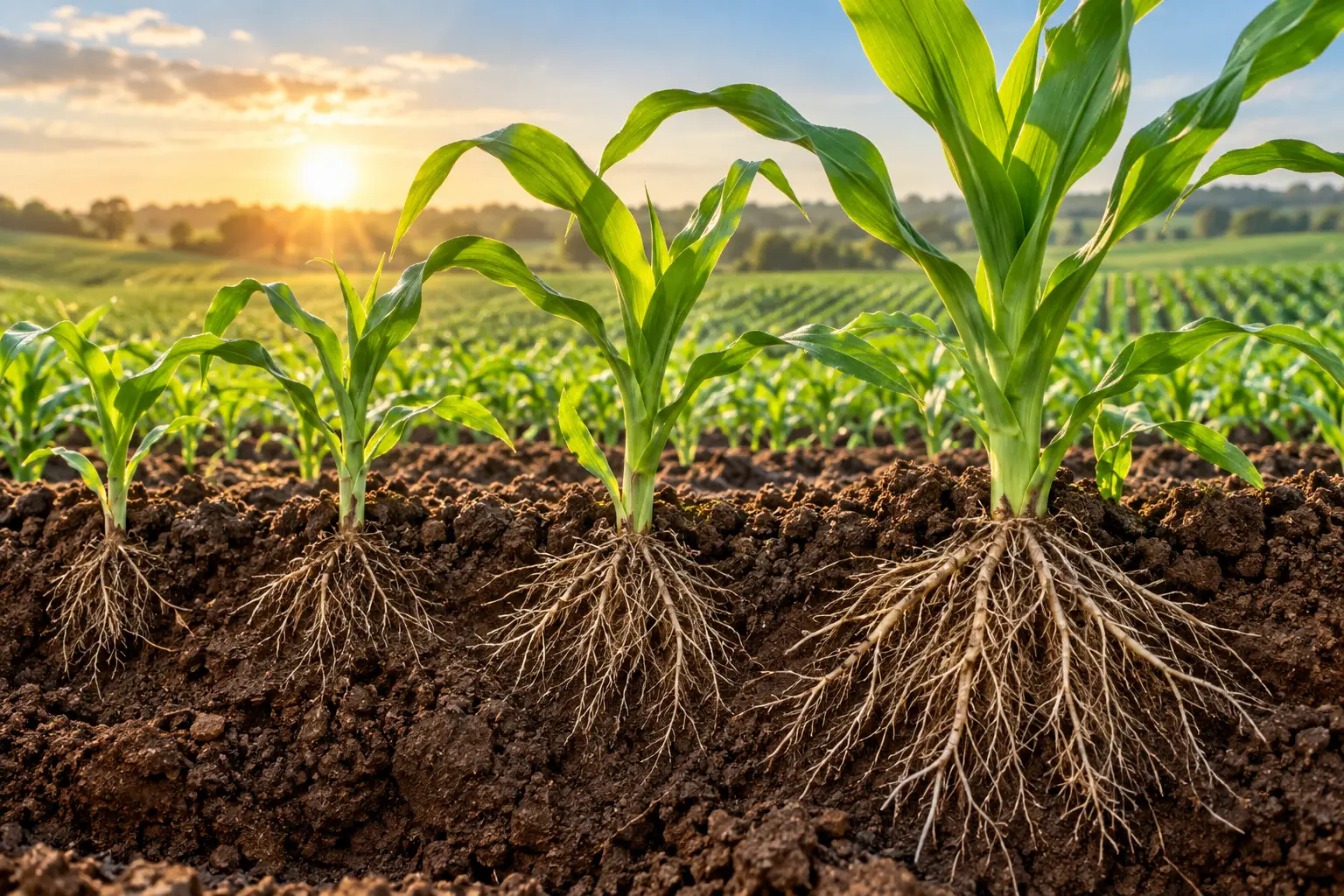
Canola Nutrition Management Before Winter
Canola cultivation in the country has special importance in terms of food security and reducing dependence on oil imports. The development of canola cultivation can supply part of the country's need for oilseeds domestically and, as an autumn crop, by being included in rotation with cereals such as wheat, can help improve weed and disease management. On the other hand, canola, as an autumn crop in many regions of the country, can use autumn and winter precipitation and, if nutrition and water are managed properly, become an economical and important crop in the country's cropping pattern.
Canola Nutrition Management in 30 Seconds
In a large part of Iran, canola is cultivated as an autumn crop, and the success of this cultivation depends to a large extent on the condition of the plant before entering winter and, more precisely, entering subzero temperatures. Before the onset of severe cold, canola should have passed the initial establishment stage and achieved a suitable rosette (Rosette), a strong root, a plant crown close to the soil surface, and sufficient reserves of photosynthetic materials.
The Objective of Canola Nutrition Before Winter
In a proper nutrition management program for a canola field, we should pursue the following outputs and objectives.
Rapid and healthy root development
Increase in crown diameter and strength
Keeping the growth point close to the soil surface
Increasing carbohydrate reserves in the root and crown
Supplying the elements required for the cold acclimation process
Creating strong plants for rapid growth after emergence from winter
To achieve these objectives, it should be noted that achieving all of them is not the result of the function of one specific element or the application of one specific fertilizer; rather, it is the result of the interaction of genetics and cultivar characteristics, planting time, nutrition management, and having the necessary time for the gradual cold acclimation process (Cold acclimation). The rosette stage, if properly established and gradually acclimated, is the most cold-resistant growth stage of canola. In contrast, very young plants or plants that have entered stem elongation even slightly are sensitive to cold.
Dos and Don'ts in Canola Nutrition Before Winter
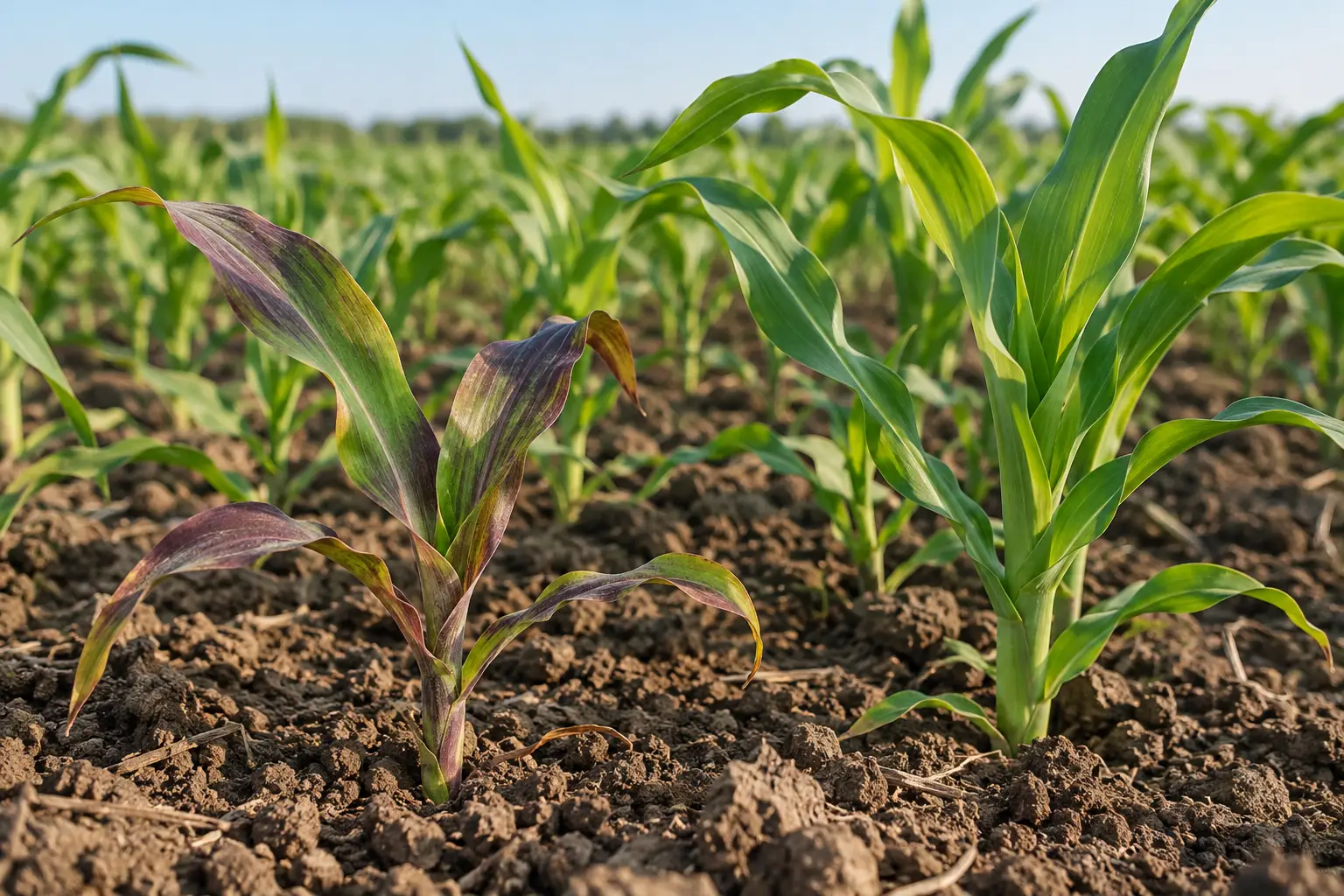
Nitrogen is the most important element in canola nutrition before winter, but regarding the use of nitrogen fertilizers, care must be taken in terms of the amount and type of nitrogen fertilizer. Nitrogen fertilizers should be used at the right time, in the right amount, and from the right source. Nitrogen is essential for canola establishment, and its deficiency causes reductions in leaf growth, photosynthetic area, and root development. However, in autumn canola management, nitrogen is a double-edged element.
Nitrogen deficiency
becomes.
Excessive nitrogen use
Therefore, excessive autumn growth, especially as a result of high fertility and excess nitrogen, can cause the growth point to elongate away from the soil surface and increase the risk of winterkill. The key recommendation is that in autumn, nitrogen should be supplied in an amount that allows the plant to reach a suitable rosette and a strong root, not maximum shoot and leaf growth. In systems with different irrigation and cultivation methods, part of the nitrogen required by canola is supplied in autumn and the main part in spring. It is also recommended that soil testing, planting time and the start time of the cold period, plant color, growth rate, number of leaves, rosette size, and crown thickness be used as the basis for decision-making.
Balanced autumn growth
In autumn, nitrogen should be supplied in an amount that allows the plant to reach a suitable rosette and a strong root, not maximum shoot and leaf growth.
Basis for decision-making
Soil testing, planting time and the start time of the cold period, plant color, growth rate, number of leaves, rosette size, and crown thickness
Excessive autumn growth, especially as a result of high fertility and excess nitrogen, can cause the growth point to elongate away from the soil surface and increase the risk of winterkill.
Phosphorus
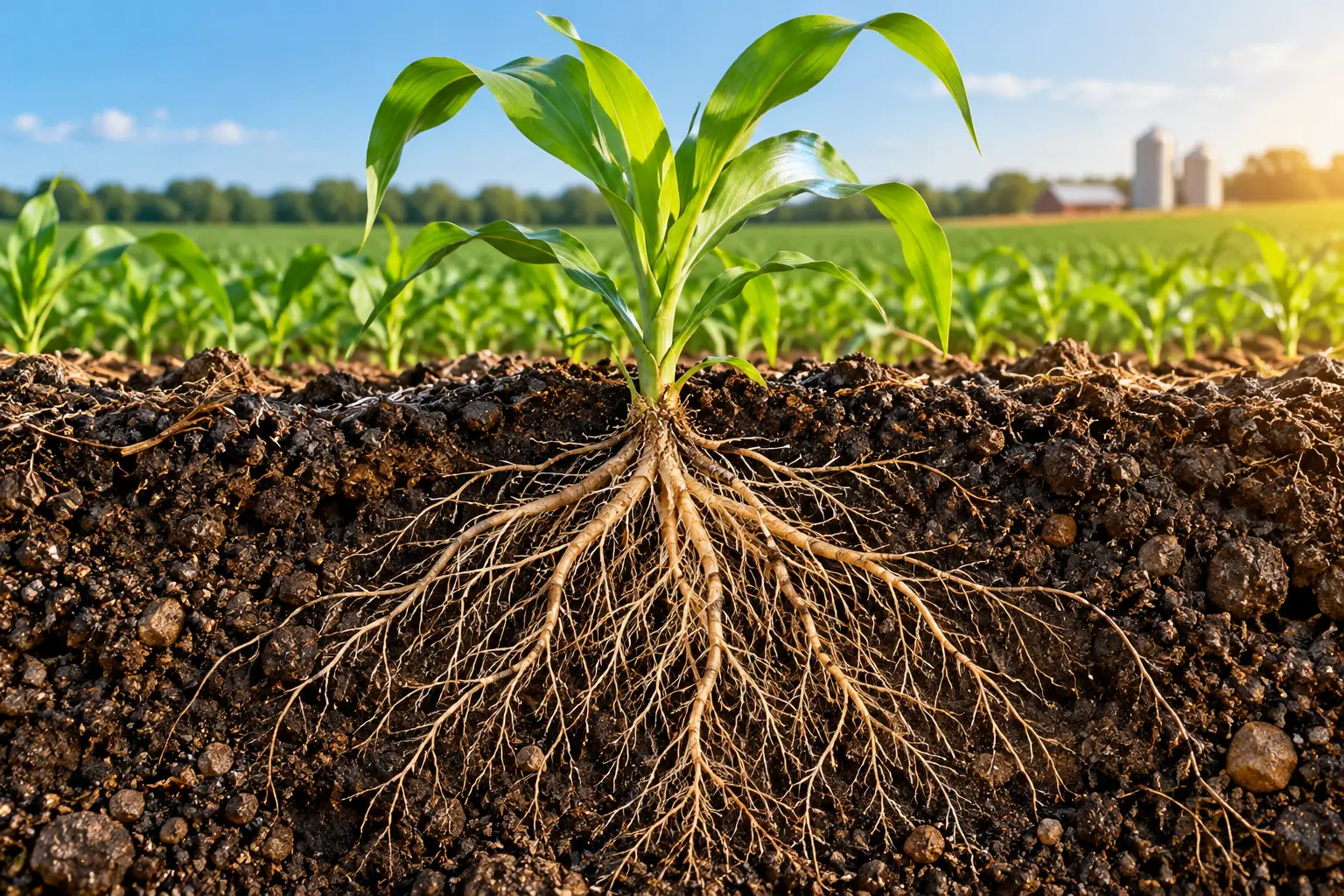
Phosphorus is highly important for root development, energy transfer, and rapid plant establishment. In canola, adequate phosphorus supply at the beginning of the season can help develop the root system and improve plant establishment. The importance of using phosphorus fertilizers before winter after planting becomes greater when the region is cold, the soil is calcareous and has a high pH, soil available phosphorus is low, and the root has not yet developed sufficiently. However, phosphorus is not an element whose severe deficiency in late autumn can be easily corrected with a surface fertilizer application. Phosphorus has very little mobility in the soil, and for this reason, supplying it before planting or in the appropriate root zone at planting time is highly important. In winter canola, phosphorus status is directly related to yield, and if the soil phosphorus reserve is insufficient, its management should be carried out from the beginning of the nutrition program.
When phosphorus supply is more important
- The region is cold
- The soil is calcareous and has a high pH
- Soil available phosphorus is low
- The root has not yet developed sufficiently
Management notes
- Phosphorus has very little mobility in the soil
- Supplying it before planting is highly important
- Supplying it in the appropriate root zone at planting time is highly important
- Its management should begin from the start of the nutrition program
Phosphorus is not an element whose severe deficiency in late autumn can be easily corrected with a surface fertilizer application.
Potassium
Potassium is one of the key elements in regulating plant water, enzymatic activity, photosynthesis, and the plant's response to environmental stresses. Canola has a considerable requirement for potassium, and the amount supplied is directly related to processes associated with oil production. From the perspective of overwintering, adequate potassium supply helps create a balanced plant with an appropriate water status. However, an important point must be considered that potassium is effective when there is actually a potassium deficiency. Therefore, potassium application should be based on soil testing and field conditions, not merely with the aim of making the plant resistant to cold. In light, sandy, and low-capacity soils, the likelihood of K deficiency is higher and its management becomes more important. Usually, in canola cultivation for pre-winter nutrition, it is of lower importance than phosphorus and nitrogen.
Plant water regulation
Potassium is one of the key elements in regulating plant water, enzymatic activity, photosynthesis, and the plant's response to environmental stresses.
Overwintering
Adequate potassium supply helps create a balanced plant with an appropriate water status.
Soil testing
Potassium application should be based on soil testing and field conditions, not merely with the aim of making the plant resistant to cold.
| Element | Role | Basis for application | Key point |
|---|---|---|---|
| Nitrogen | Establishment, leaf growth, and root development | Plant condition and field conditions | Excessive use can increase vegetative growth and cold sensitivity. |
| Phosphorus | Root development, energy transfer, and rapid establishment | Soil testing and soil phosphorus reserve | It should be managed from the beginning of the nutrition program. |
| Potassium | Water regulation, enzymatic activity, and stress response | Soil testing and soil phosphorus reserve | Application based on soil testing and field conditions |
| Sulfur | Synthesis of amino acids and proteins and nitrogen metabolism | Nutrition program and likelihood of deficiency | Canola is a crop with a high sulfur requirement. |
| Micronutrients | Boron and zinc | Soil testing and deficiency diagnosis | Application without a valid diagnosis can increase costs or the risk of toxicity. |
Sulfur
Sulfur is used in much larger amounts in canola compared with many cereals. Sulfur plays an essential role in the synthesis of amino acids and proteins and in nitrogen metabolism. For this reason, when canola faces sulfur deficiency, it may not achieve desirable growth and yield even when sufficient nitrogen is available. Canola is among the crops with a high sulfur requirement, and for proper production, sulfur supply is considered an important part of the nutrition program. However, for the pre-winter period, the autumn requirement and the complete nutrition program should be distinguished. In sandy soils; low in organic matter; with high leaching; with a history of low use of sulfur-containing fertilizers, the likelihood of its deficiency is greater. Under such conditions, sulfur should be considered from the beginning of the nutrition program.
Role of sulfur
Sulfur plays an essential role in the synthesis of amino acids and proteins and in nitrogen metabolism.
Conditions prone to deficiency
In sandy soils; low in organic matter; with high leaching; with a history of low use of sulfur-containing fertilizers, the likelihood of its deficiency is greater.
High canola requirement
Canola is among the crops with a high sulfur requirement.
Balanced nutrition
When canola faces sulfur deficiency, it may not achieve desirable growth and yield even when sufficient nitrogen is available.
Autumn program
For the pre-winter period, the autumn requirement and the complete nutrition program should be distinguished.
Micronutrients
Micronutrients are also important in canola nutrition and before winter. Boron is one of the important micronutrients for canola; however, it must be handled very carefully. Boron is important for meristem growth, cell division, and at later stages for reproductive processes and seed formation. Various scientific sources have described canola as sensitive to boron and requiring special attention to boron status, but boron is an element for which the difference between the required amount and the toxic amount is relatively small. Therefore, boron application without a soil test, field history, or valid diagnosis can be dangerous. In sandy, low-organic-matter soils, areas with high rainfall and leaching, and some calcareous soils, the likelihood of boron nutritional problems should receive greater attention. In autumn, the objective of boron application should not merely be «increasing cold resistance». The main objective is to prevent boron deficiency and maintain the normal growth of the meristem and root. Another essential micronutrient is zinc, which is important for enzymatic activity and normal plant growth, especially in the early growth stages, and usually, considering its deficiency in most of the country's soils, its application in irrigations before winter is recommended.
Boron
Boron is important for meristem growth, cell division, and at later stages for reproductive processes and seed formation.
Narrow range between requirement and toxicity
Boron is an element for which the difference between the required amount and the toxic amount is relatively small.
Conditions prone to boron problems
In sandy, low-organic-matter soils, areas with high rainfall and leaching, and some calcareous soils, the likelihood of boron nutritional problems should receive greater attention.
Objective of boron application in autumn
The main objective is to prevent boron deficiency and maintain the normal growth of the meristem and root.
Zinc
Zinc is important for enzymatic activity and normal plant growth, especially in the early growth stages.
Foliar application
Foliar application of micronutrients in pre-winter nutrition for canola is not necessary.

Foliar application of micronutrients in pre-winter nutrition for canola is not necessary.
Organic Fertilizers and Humic Compounds
Another aspect of pre-winter nutrition is attention to the use of organic fertilizers and humic compounds and attention to soil organic matter. One of the issues that is sometimes given less attention in canola nutrition management is soil health and biological activity. An appropriate level of soil organic matter can increase water-holding capacity; improve nutrient-holding capacity; increase microbial activity; improve soil structure and create more suitable conditions for root development. At the same time, the use of organic or animal manures should be accompanied by an accurate calculation of the amount of available nitrogen. Organic fertilizer is not merely a growth stimulant; rather, it is a real source of nutrients and should be included in calculations of nitrogen and other elements.
Water retention
An appropriate level of soil organic matter can increase water-holding capacity
Nutrient retention
Improve nutrient-holding capacity
Microbial activity
Increase microbial activity
Soil structure
Improve soil structure
Root development
Create more suitable conditions for root development
Nutrient calculations
Organic fertilizer is not merely a growth stimulant; rather, it is a real source of nutrients and should be included in calculations of nitrogen and other elements.
Canola Nutrition Management Checklist
Review the following items before the canola field enters winter.
Decision-making indicators
Recommended Program by Kimia Exir Shargh Company
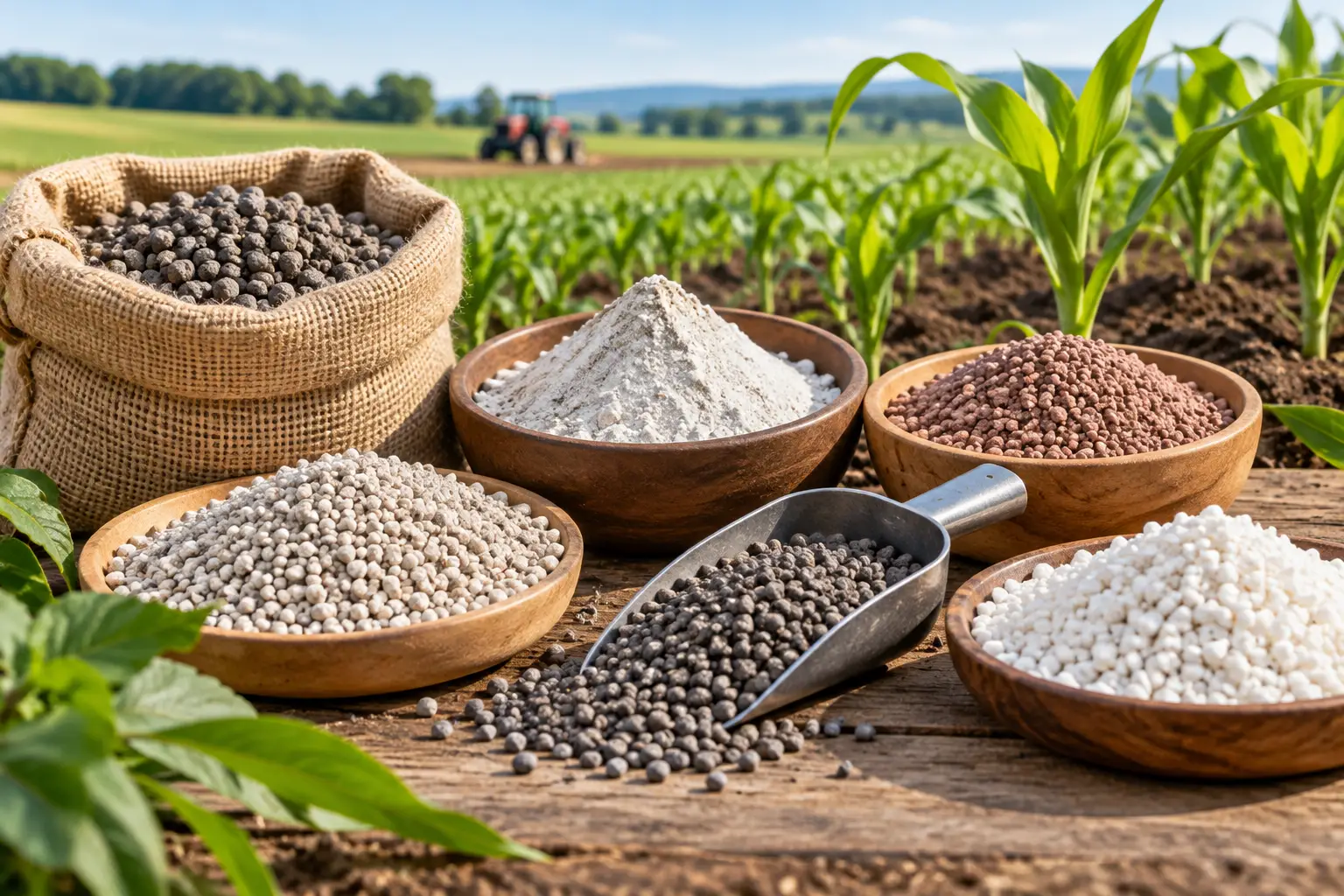
At Kimia Exir Shargh Company, the use of pre-plant sulfur-containing granulated organic macro fertilizers, single superphosphate, and seven-element micro-sulfate fertilizer as pre-plant applications, and starter fertilizers, liquid humic acid, ammonium sulfate, and powdered amino acid for the first irrigation after planting is recommended as pre-winter nutrition, which both supply the elements required for strong seedling growth and include soil-amending compounds and compounds that increase plant resistance to cold.
Sulfur-containing granulated organic macro fertilizer
As a pre-plant application
Single superphosphate
As a pre-plant application
Seven-element micro-sulfate fertilizer
As a pre-plant application
Starter fertilizers, liquid humic acid, ammonium sulfate, and powdered amino acid
For the first irrigation after planting
Need help managing canola nutrition before winter?
Use soil testing, planting time and the start time of the cold period, plant color, growth rate, number of leaves, rosette size, and crown thickness as the basis for decision-making.
Final Remarks
Finally, it is reminded that the objective of autumn canola nutrition is not to grow more; rather, it is to grow correctly and to the appropriate extent. A plant that has a balanced rosette, a developed root, a strong crown, and sufficient reserves of photosynthetic materials before winter can enter active growth more rapidly in spring and have a greater capacity to form branches, flowers, siliques, and seeds. In fact, pre-winter nutrition management should be considered part of final canola yield management; because autumn nutrition decisions affect not only overwintering, but also the growth capacity and yield of the following season.
Source
The content of this article is based on the provided file:
- Draft_lagon_1_EN(1).docx
Canola Nutrition Management FAQ
Pre-winter nutrition management should be carried out with the aim of creating a «balanced and resistant plant», not maximum growth and having the maximum leaf area.
Nitrogen is essential for canola establishment, and its deficiency causes reductions in leaf growth, photosynthetic area, and root development.
Phosphorus is highly important for root development, energy transfer, and rapid plant establishment.
Potassium application should be based on soil testing and field conditions, not merely with the aim of making the plant resistant to cold.
Sulfur plays an essential role in the synthesis of amino acids and proteins and in nitrogen metabolism.
Foliar application of micronutrients in pre-winter nutrition for canola is not necessary.